


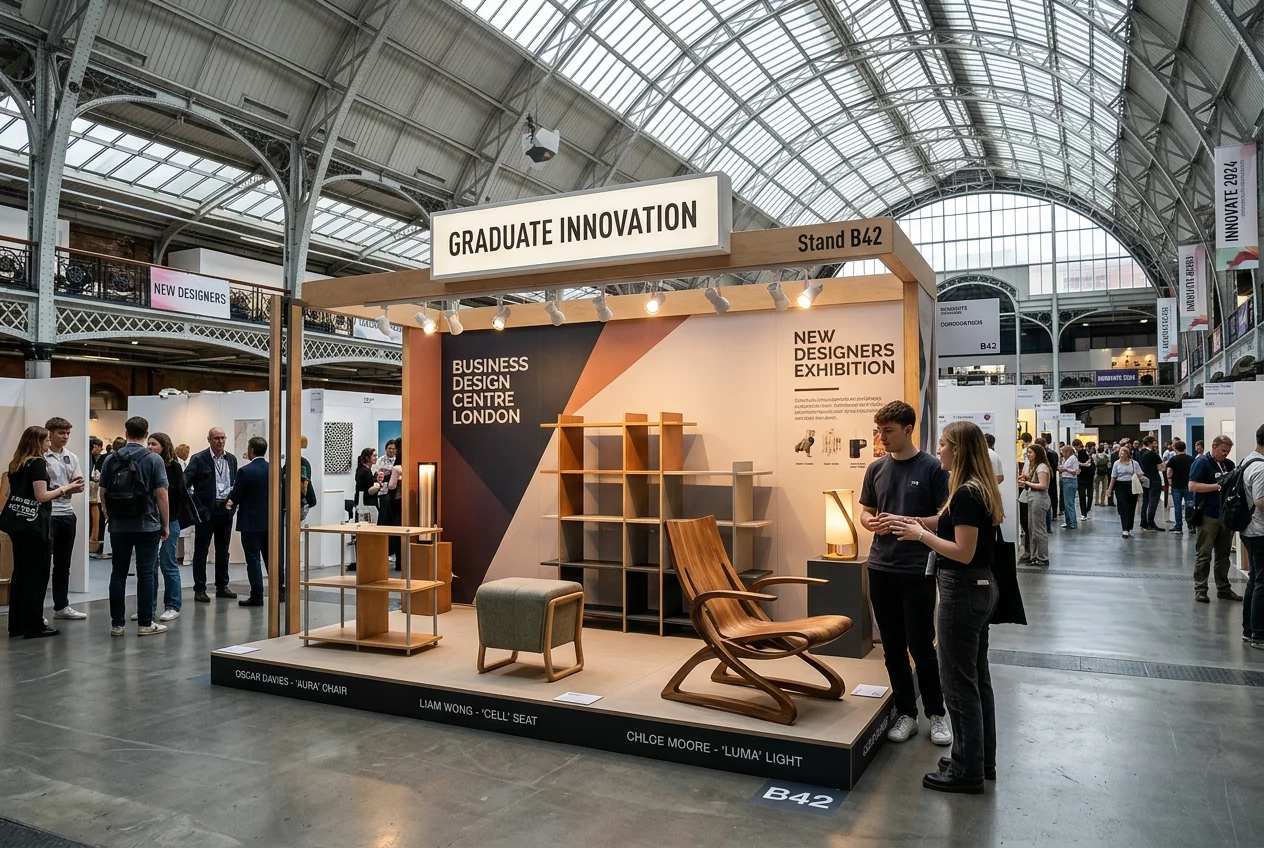
The Business Design Centre in London becomes a crucible of innovation as New Designers 2026 unveils the future of British furniture and interior architecture.
This year's edition of New Designers feels particularly poignant, arriving at a time when the furniture industry is undergoing a radical shift towards circularity and digital craft. Over 3,000 graduates from the UK's leading design courses have converged at the Business Design Centre, bringing with them a refreshing disdain for the 'fast furniture' culture. Instead, we see a focus on longevity, reparability, and the ingenious use of bio-materials that challenge our traditional understanding of luxury and utility.

A New Paradigm in Sustainable Craftsmanship
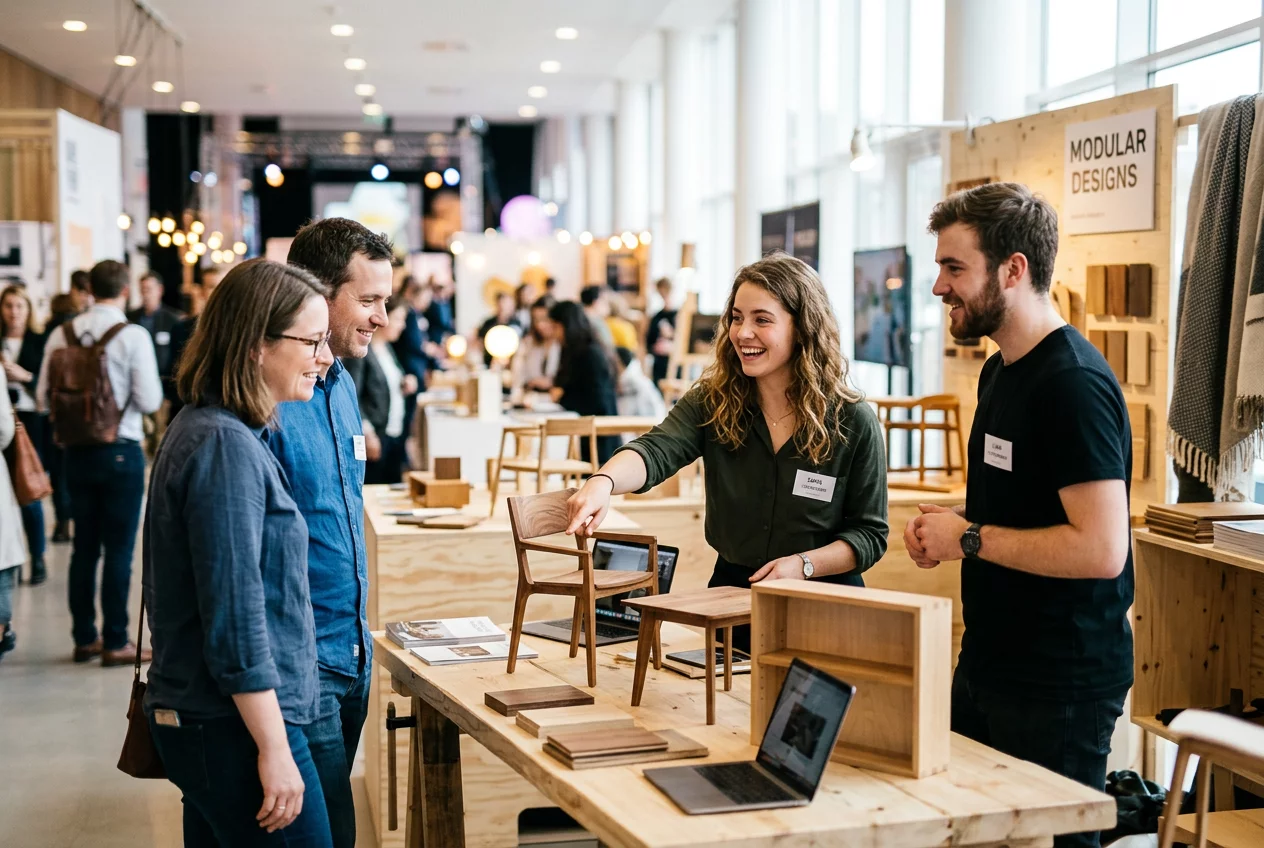
Walking through the aisles, it becomes evident that the class of 2026 is deeply invested in the narrative of their materials. We witnessed chairs constructed from mycelium composites that offer surprising structural integrity, alongside cabinetry that utilizes timber offcuts once considered waste by industrial manufacturers. The technical proficiency on display is matched by a strong emotional intelligence; many pieces are designed to evolve with the user, featuring modular components that allow for expansion or downsizing as living situations change.
Key Highlights
-
Biophilic Integration: Furniture pieces incorporating living elements, such as integrated planters and moisture-regulating surfaces.
-
Adaptive Furniture: Multi-functional designs tailored for the rising trend of 'micro-living' in urban centers.
-
Heritage Modernism: A resurgence of traditional joinery techniques blended with 3D-printed connectors for durability.
-
Digital Bespoke: Revolutionary tools that allow consumers to customize furniture dimensions digitally before local zero-waste production.
As the exhibition draws to a close, the consensus among industry veterans and buyers is clear: the future is in safe hands. New Designers 2026 has not just showcased student projects; it has provided a roadmap for how the global furniture industry can align itself with contemporary ethical demands without sacrificing aesthetic brilliance. The award-winning pieces are already attracting interest from major retailers, promising a commercial future for these avant-garde concepts that prioritize both planet and person.