
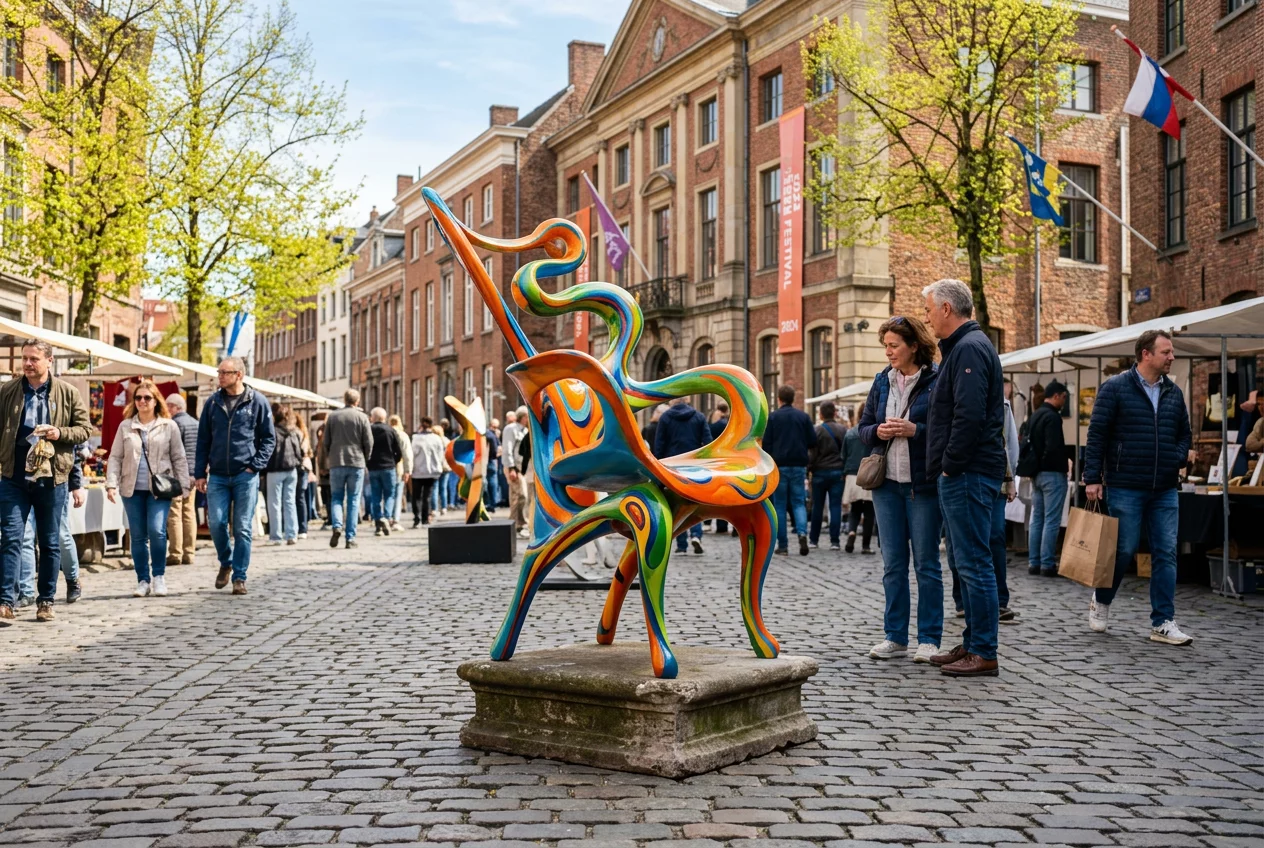

London's historic design district transforms into a sprawling showcase of contemporary aesthetics, where traditional masonry meets the digital edge of furniture production.
Clerkenwell Design Week 2026 has officially opened its doors, or rather, its courtyards, warehouses, and hidden showrooms. This year, the festival feels more expansive than ever, sprawling across the cobbled streets of EC1 with a renewed focus on sensory experiences. Walking through the district, you aren't just looking at chairs and tables; you are engaging with a narrative of material evolution. The air is thick with the scent of freshly cut timber and the hum of creative conversation. Designers have moved beyond the sterile minimalism of the past decade, embracing textures that demand a physical touch—rough-hewn stones, boucle fabrics with deep piles, and recycled polymers that look and feel like organic marble.
Sustainable Circularity and the Rise of "Live" Furniture
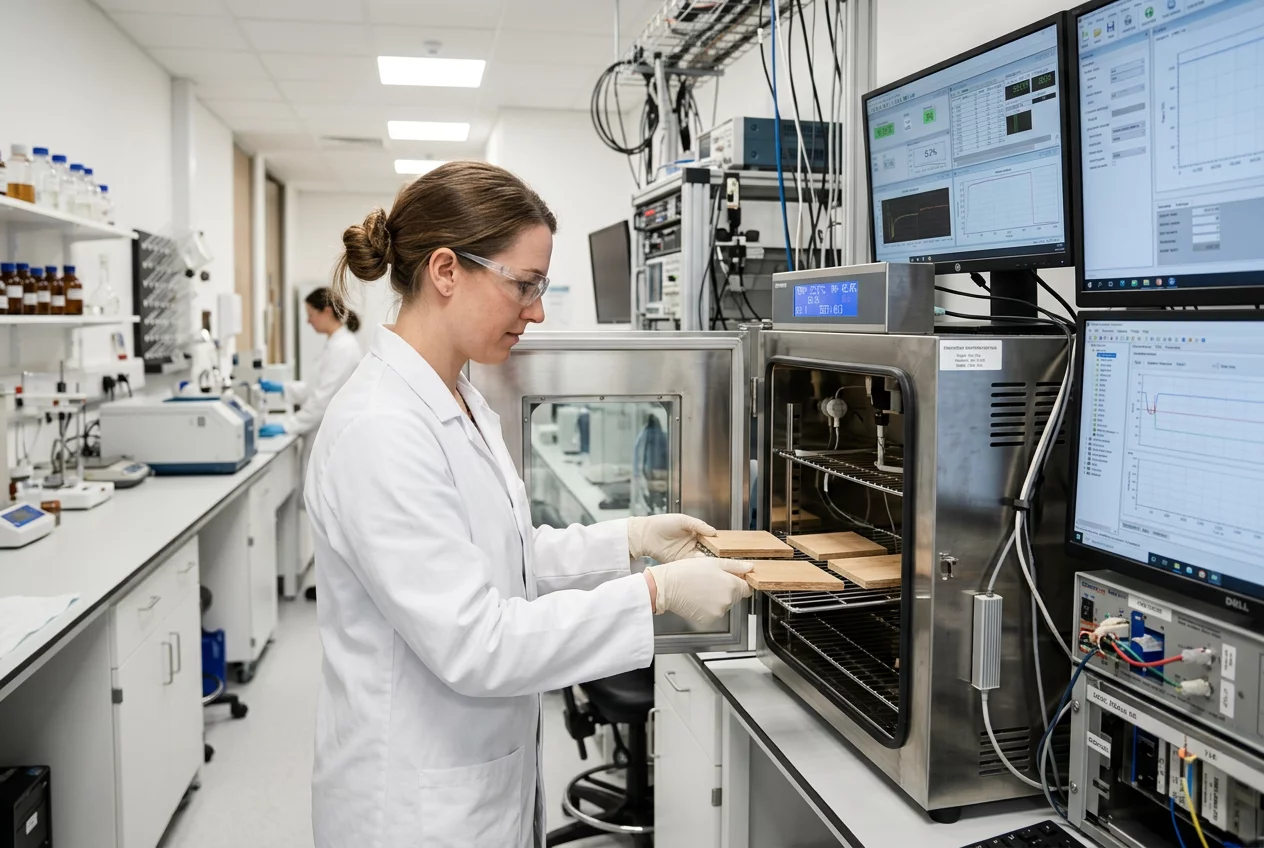
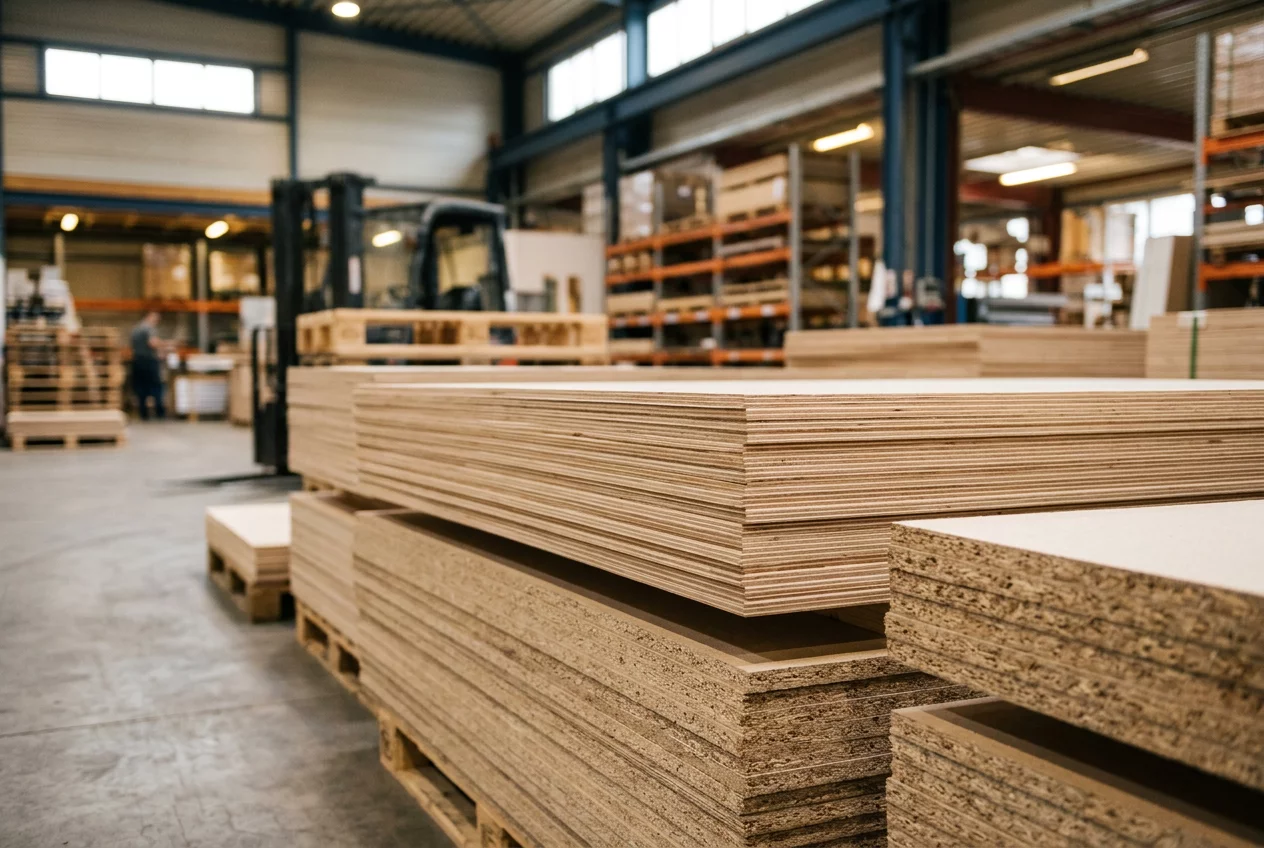
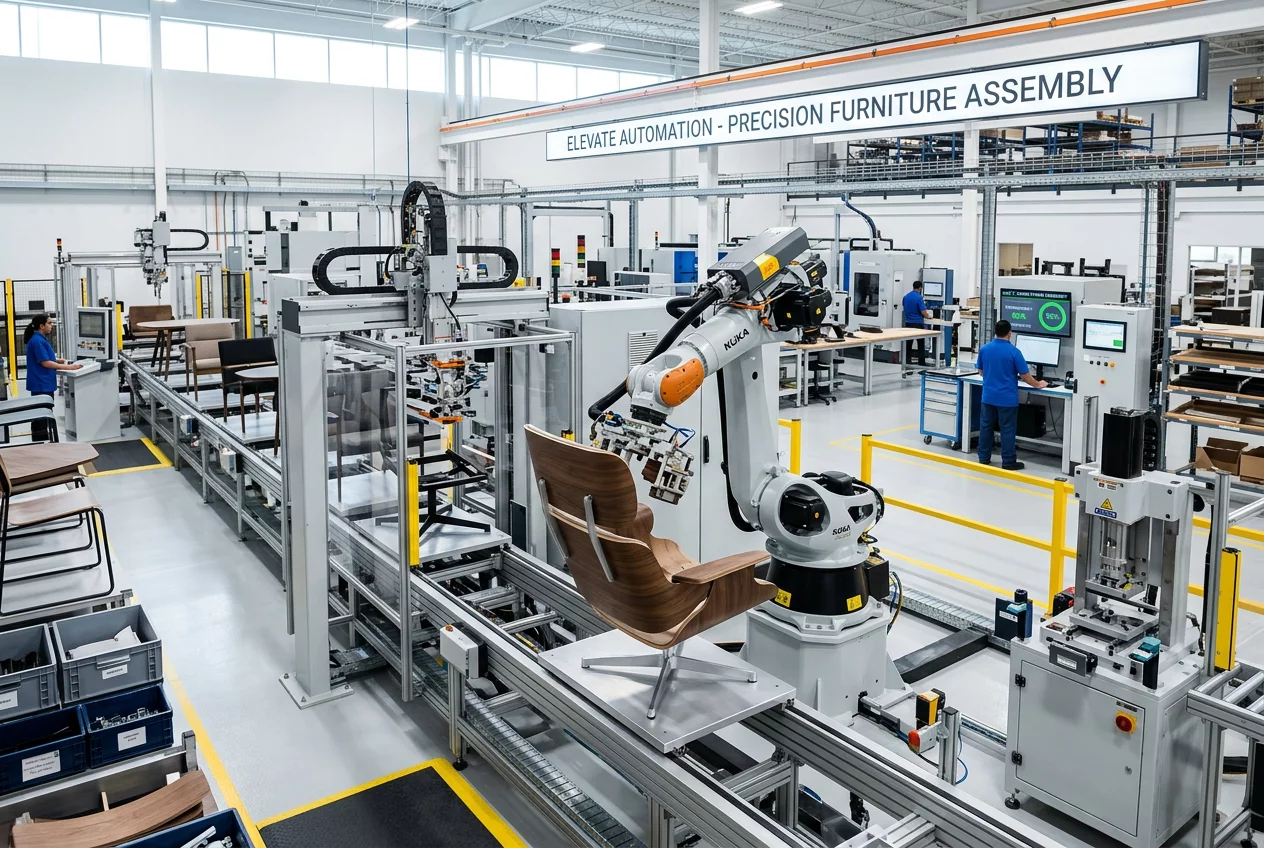
The standout theme of 2026 is undoubtedly circularity. It is no longer enough for a brand to claim sustainability; they must prove it through the entire lifecycle of the product. Several showrooms are exhibiting furniture that can be completely disassembled using a single tool, facilitating easy repairs or recycling. We observed a fascinating shift toward "live" furniture—pieces that incorporate hydroponic systems or moss-covered surfaces that improve indoor air quality. These objects are not merely static decorations; they are active participants in the domestic environment. The craftsmanship on display bridges the gap between old-world joinery and parametric design, showing that technology can enhance rather than replace the human hand.
Key Highlights
As the sun sets over the design district, the atmosphere shifts from professional networking to a celebratory exploration of what's next. Clerkenwell Design Week remains the beating heart of the UK’s creative industry because it refuses to remain stagnant. It challenges designers to think about the footprint they leave behind while pushing the boundaries of beauty. Whether it's a 3D-printed bench made from ocean plastic or a hand-carved walnut desk, the message is clear: the future of furniture is thoughtful, tactile, and deeply connected to the spaces we inhabit.